
Islamabad
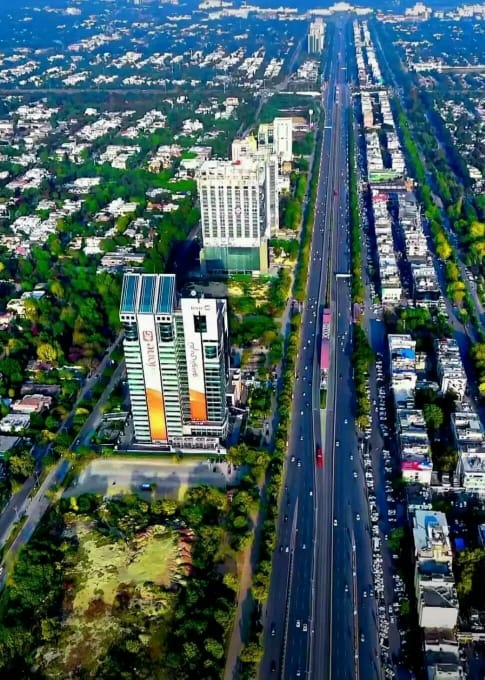
Islamabad, the capital city of Pakistan, is known for its modern architecture, lush greenery, and serene environment. Nestled at the foot of the Margalla Hills, Islamabad offers a blend of natural beauty, cultural heritage, and contemporary urban living, making it a unique destination for both residents and visitors.
Scenic Beauty and Green Spaces
One of Islamabad’s most striking features is its abundant green spaces and well-planned layout. The city is meticulously designed, with wide avenues, green belts, and numerous parks. Daman-e-Koh, a popular viewpoint, offers panoramic views of the city and is a great spot for photography and picnics. The Margalla Hills National Park provides numerous hiking and trekking opportunities, with trails such as the Trail 3 and Trail 5 leading to scenic vistas and diverse wildlife.
Shakarparian Park, located near the Zero Point, is another prominent green space that includes terraced gardens, tree-lined pathways, and the iconic Pakistan Monument, which symbolizes the country's four provinces and three territories. The monument's museum offers insights into Pakistan's history and heritage.
Modern Architecture and Urban Planning
Islamabad is characterized by its modern and functional architecture. The Faisal Mosque, the largest mosque in Pakistan and one of the largest in the world, is a masterpiece of contemporary Islamic architecture. Its unique design, with an eight-sided shell-shaped structure, is set against the backdrop of the Margalla Hills, making it a symbol of Islamabad.
The city’s urban planning is evident in its sectors and zones, each designed for specific purposes. For example, the Blue Area is the main business district, featuring a mix of high-rise buildings, offices, and shopping centers. Diplomatic Enclave houses embassies and high commissions, reflecting Islamabad's status as the capital.
Cultural and Educational Institutions
Islamabad is home to several cultural and educational institutions. The Lok Virsa Museum showcases Pakistan’s diverse cultural heritage through exhibits of traditional art, crafts, and folklore. Saidpur Village, an ancient village turned cultural site, offers a glimpse into the region's history and culture, with restored buildings, art galleries, and restaurants.
The city is also a hub for education and research, housing prestigious institutions such as Quaid-e-Azam University, National University of Sciences and Technology (NUST), and Pakistan Institute of Engineering and Applied Sciences (PIEAS). These institutions attract students and scholars from across the country and the world.
Shopping and Dining
Islamabad offers a variety of shopping and dining options. Centaurus Mall and Safaa Gold Mall are popular shopping destinations, featuring international and local brands, food courts, and entertainment facilities. The city’s numerous markets, such as the Jinnah Super Market and F-6 Super Market, offer a mix of traditional and modern goods.
The dining scene in Islamabad is diverse, ranging from high-end restaurants to local eateries. Food lovers can enjoy a variety of cuisines, including traditional Pakistani, continental, Chinese, and Middle Eastern. Popular dining areas include Kohsar Market in F-6 and the F-7 Markaz.
Accessibility and Transport
Islamabad is well-connected by air, road, and rail. The Islamabad International Airport serves as a major hub, with flights to domestic and international destinations. The city’s road network is extensive and well-maintained, with the M-1 and M-2 motorways connecting Islamabad to Peshawar and Lahore, respectively.
Public transport options include the Metro Bus Service, which provides a convenient and affordable way to travel between Islamabad and Rawalpindi. Plans for expanding the metro network and developing new transport infrastructure are ongoing to further enhance connectivity within the city.

Islamabad
3H
from
₨20,000
₨17,000
