Shigar Valley
Shigar Valley is a captivating and picturesque valley located in the Gilgit-Baltistan region of Pakistan. Nestled in the foothills of the Karakoram mountain range, the valley is known for its stunning landscapes, historical significance, and rich cultural heritage. Here are the key highlights and details about Shigar Valley:
Geography and Location
Shigar Valley lies approximately 32 kilometers (20 miles) northeast of Skardu, the capital of Baltistan. The valley is fed by the Shigar River, a tributary of the Indus River, and is surrounded by some of the world's highest peaks, including those in the Karakoram range. The valley serves as the gateway to several renowned trekking and climbing destinations, including the trek to K2, the world's second-highest peak.
Major Attractions
-
Shigar Fort (Fong-Khar): This 400-year-old fort, also known as Fong-Khar (Palace on the Rock), has been restored and converted into a museum and luxury hotel by the Aga Khan Trust for Culture. The fort offers a glimpse into the region's history and architecture while providing stunning views of the valley.
-
Deosai National Park: Although not within the valley itself, the Deosai Plains are easily accessible from Shigar. Known as the "Land of Giants," Deosai is famous for its unique landscape, diverse flora and fauna, and as a habitat for the Himalayan brown bear.
-
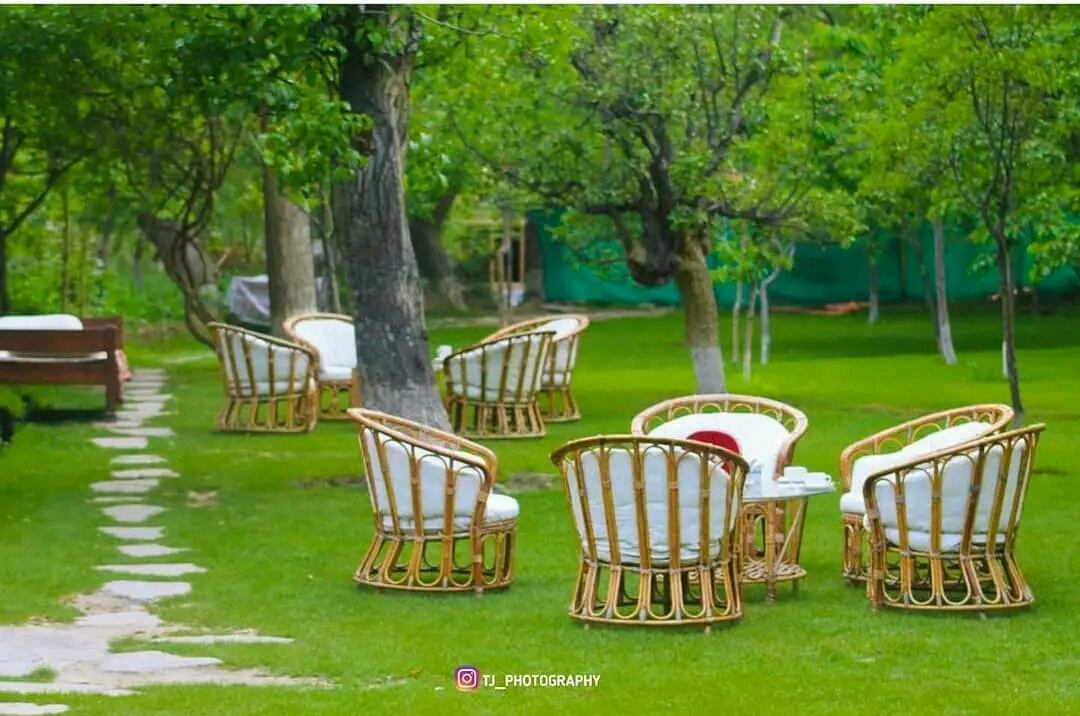
Hashupi Bagh: This lush green garden is home to a variety of fruit trees, including apricots, apples, and peaches. It’s a serene spot for picnics and leisurely walks amidst nature.
-
Hot Springs: Shigar Valley is known for its natural hot springs, which are believed to have therapeutic properties. These springs attract visitors looking for relaxation and wellness experiences.
-
Trekking and Mountaineering: Shigar Valley is a starting point for several trekking routes and expeditions. Popular treks include those to K2 Base Camp, Concordia, and Baltoro Glacier. The valley is a hub for mountaineers and adventure enthusiasts.
Climate
Shigar Valley experiences a cold desert climate, characterized by cold winters and warm summers. The best time to visit is from May to September when the weather is pleasant and the valley is accessible. Winter months can be harsh, with heavy snowfall blocking roads and making travel difficult.
Flora and Fauna
The valley boasts a rich variety of plant and animal life. The lower parts of the valley are covered with orchards and terraced fields, while the higher elevations are home to alpine meadows and coniferous forests. Wildlife in the region includes ibex, snow leopards, marmots, and numerous bird species.
Culture and People
The people of Shigar Valley are predominantly Balti, an ethnic group with Tibetan roots. The local language is Balti, a Tibetic language, but Urdu and English are also understood. The Balti people are known for their hospitality, and the valley has a rich cultural heritage with influences from Tibetan Buddhism and Islam. Traditional Balti music, dance, and festivals are an integral part of life in Shigar.
Accessibility
Shigar Valley can be accessed by road from Skardu. Skardu itself is connected to the rest of Pakistan by the Karakoram Highway and by flights from Islamabad. The road to Shigar is well-maintained, making it accessible by car or public transport.
Tourism and Activities
- Trekking and Mountaineering: The valley is a major hub for trekkers and climbers heading towards the Karakoram peaks.
- Cultural Tours: Visitors can explore traditional Balti culture, visit historical sites, and enjoy local cuisine.
- Photography: The stunning landscapes, from lush green fields to towering peaks, make it a paradise for photographers.
- Adventure Sports: Activities such as rock climbing, river rafting, and paragliding are popular among adventure seekers.
- Wellness and Relaxation: The natural hot springs and serene environment provide opportunities for relaxation and wellness retreats.